


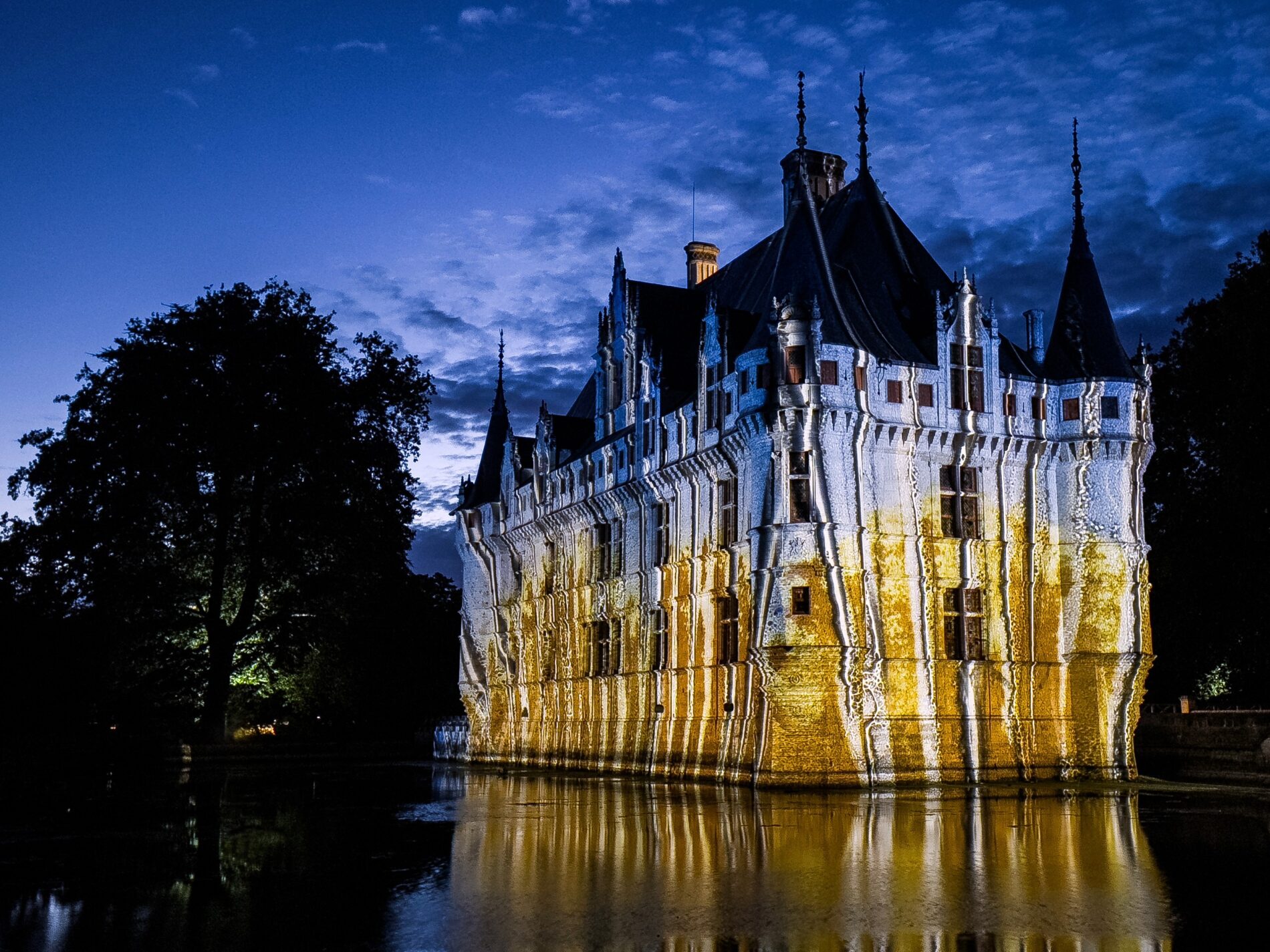
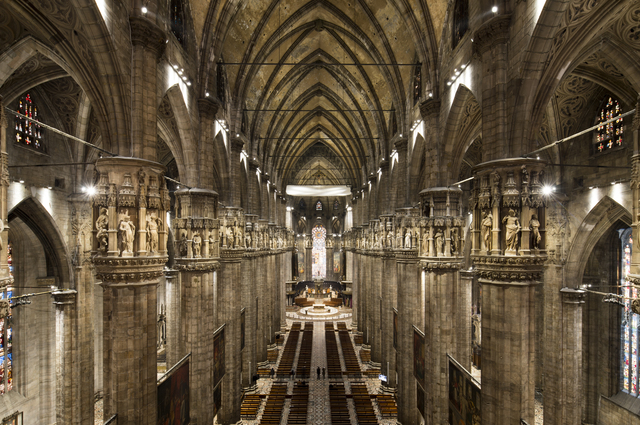
From Gothic cathedrals whose stained-glass windows transform natural light into spiritual narrative, to contemporary illuminations that reveal the façades of historic monuments after dark, light has never ceased to maintain an intimate dialogue with heritage.
In built heritage, light is intrinsic to the architecture itself: the orientation of buildings, the size of openings, the presence of skylights or domes all bear witness to a centuries-old mastery of natural light. In the decorative arts and furnishings, gilding, glass, lacquer and polished metal are materials conceived to capture, diffuse and reflect light, lending it a living quality that shifts with the hour and the season.
Today, artificial light has become a tool of cultural valorisation. Architectural lighting, the illumination of monuments, light-based scenography: these specialist disciplines call upon exacting know-how, at the crossroads of technical skill, creative vision and heritage knowledge. They also raise questions of conservation: the compatibility of light sources with historic materials, the protection of works sensitive to radiation, and the precise intensity that reveals without causing harm.
Light, whether functional, artistic or symbolic, thus plays a fundamental role in the perception, restoration and enhancement of both built and decorative heritage. It reveals materials, accentuates volumes, extends the history of places and participates fully in their contemporary presentation.
Through this theme, the Fair aims to celebrate the trades and businesses that design, manufacture and implement light in the service of heritage, whether historic, religious, civic or landscape.
THE THEME AT THE HEART OF THE POSTER
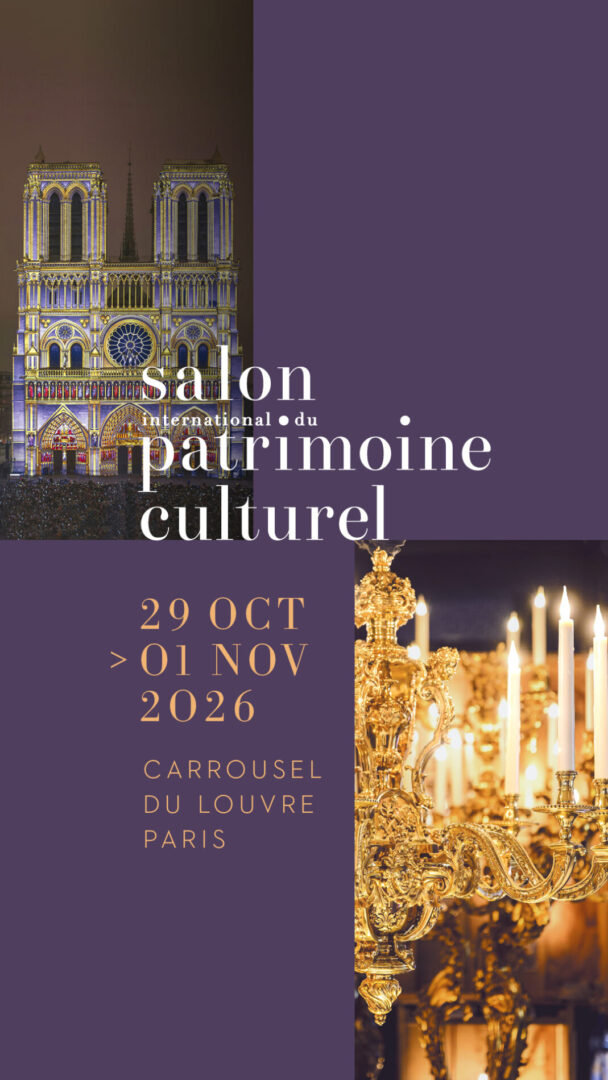
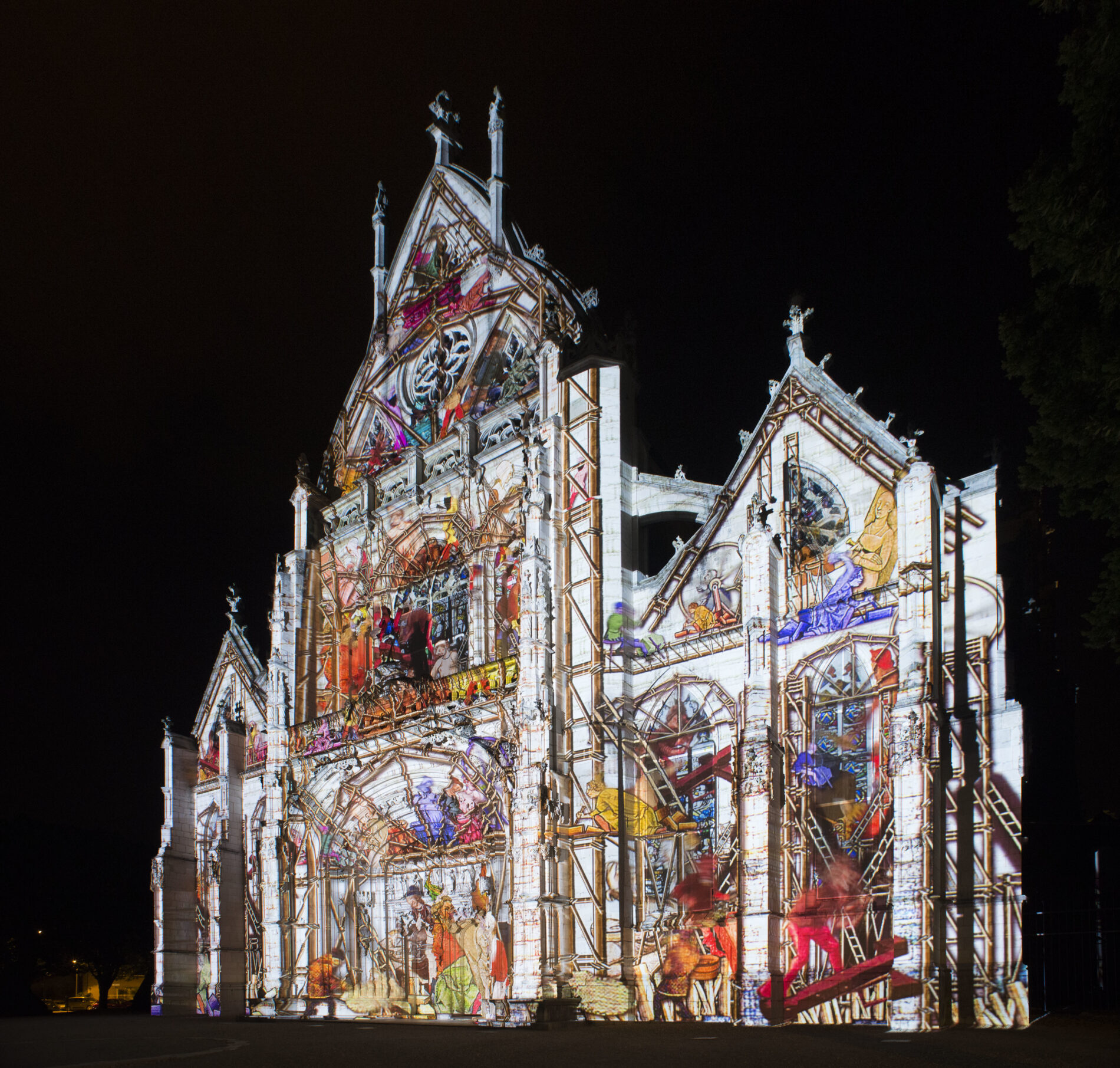
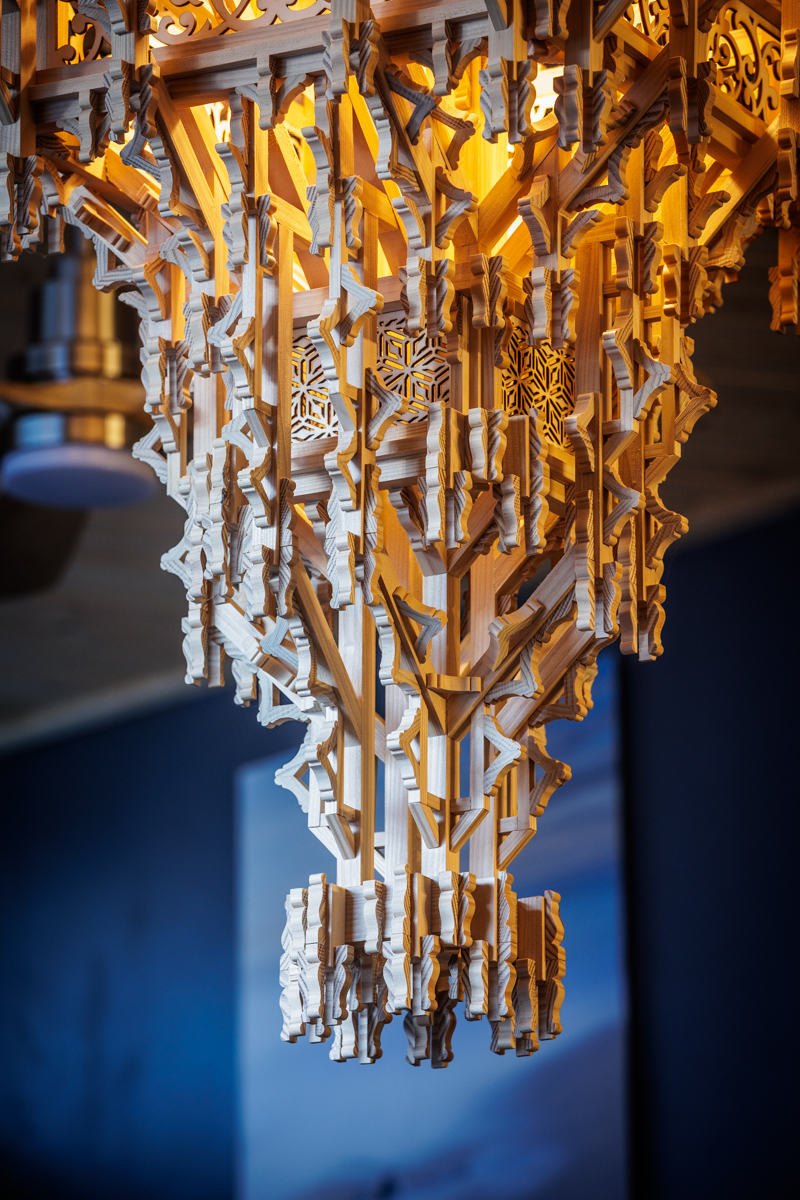
This theme is highlighted at the centre of the poster’s design, featuring a chandelier by Ombres & Facettes and a view of a sound and light show projected onto Notre-Dame Cathedral in Paris – a monument managed by the Centre des Monuments Nationaux. Both are regular exhibitors at the fair.
SPOTLIGHT ON THE EXHIBITORS
As an essential element in showcasing heritage, lighting will be explored in all its many facets. Upon entering the fair, visitors will be welcomed by an artwork created exclusively for the fair by the creators of Atelier Aura, Studio Vitrail Bianconi and Miroiterie Perucca & Peronino. This unique project will combine the technique of verre églomisé with stained-glass craftsmanship.
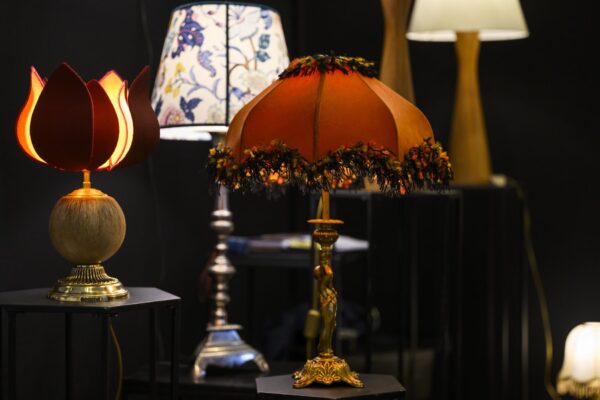
Furthermore, the diversity of light-related trades within the heritage sector will be showcased by the presence of Maison Tricard, a manufacturer of bespoke lampshades in fabric and parchment; Atelier Taduy, a creator of lighting fixtures combining wood and glass, participating for the first time; and the Union de l'Industrie du Luminaire. MGS 3D will unveil its 3D reconstruction of the Palais de l’Electricité from the 1900 World’s Fair.
As visitors wander through the halls of the fair, they will discover the skills involved in lighting design, lighting techniques for historic buildings, fine crafts such as glasswork and stained glass, gilding that captures and reflects light, and innovative solutions for illuminating historic monuments.
Stéphane Petit and Julien Guiller will unveil their ‘Lumière de Verre’, a technique for projecting light through a glass artwork, enhancing the monument upon which it is displayed. ERCO Lumières, a design company specialising in bespoke architectural lighting solutions, and Maélis – Lusterie Contemporaine, a creator of bespoke chandeliers, will offer an insight into the challenges of illuminating built heritage.
Visitors will also find familiar exhibitors at the fair, such as Lum’Art, a manufacturer of indoor and outdoor lighting, and Maisons Baguès Paris – Bronzes de France, which specialises in decorative metalwork and artistic lighting.